 Shlomo
 3:20
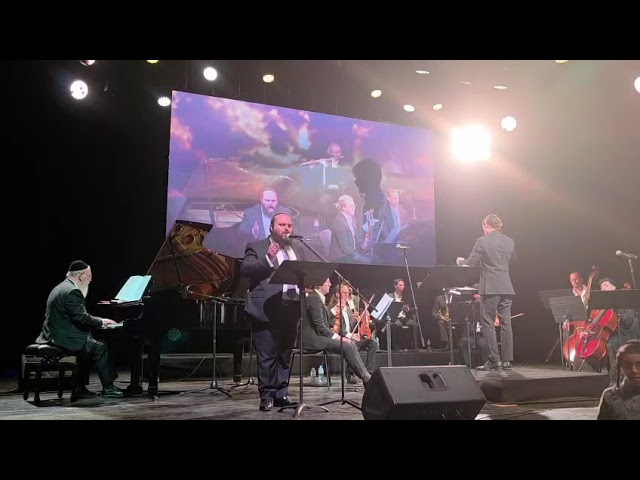
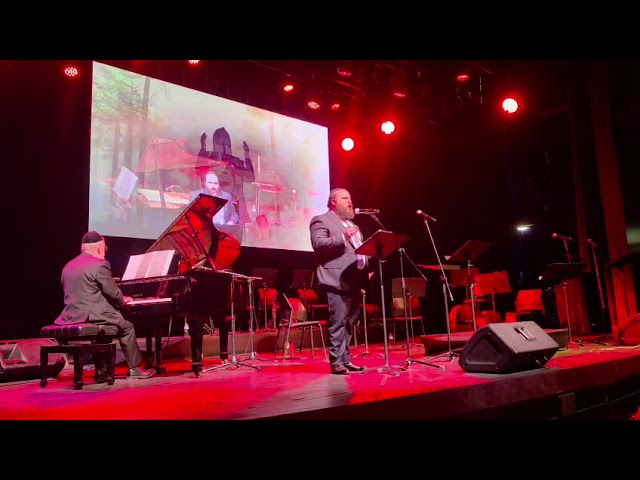
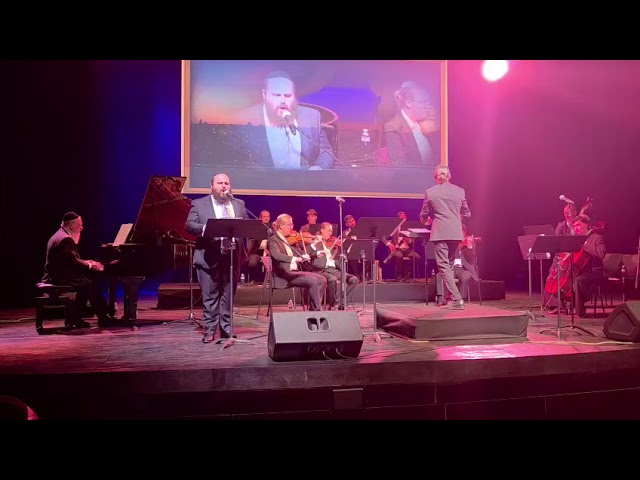
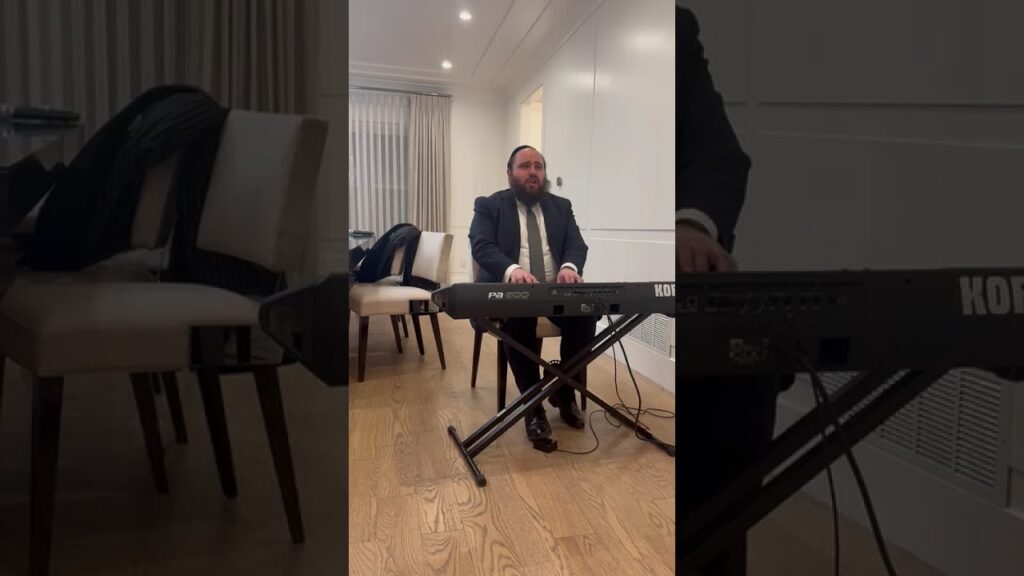
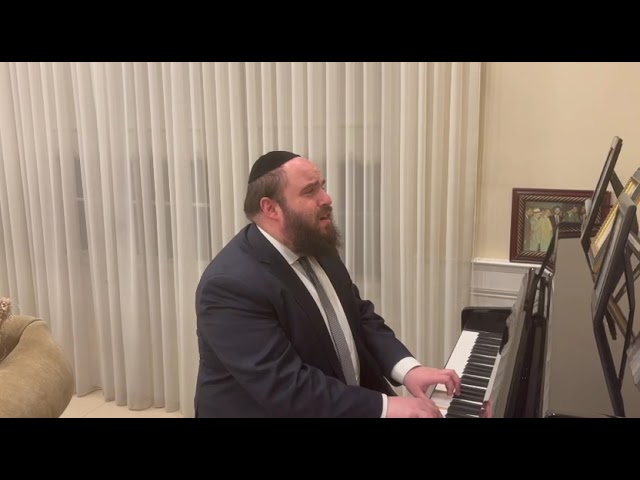
3:20החזן מוטי בויאר ‘השכיבנו’ ביינהורן ● Cantor Moti Boyer sings HASHKIVEINU Beinhorn
Up Next
Shared on June 13, 2026
החזן מוטי בויאר שר 'השכיבנו' בלחנו של החזן שלמה ביינהורן.
החזן שלמה ביינהורן שנולד בשנת 1886 במונקאטש, היה מתלמידיו הראשונים של החזן יוסל'ה רוזנבלט, בגיל 16 שר במקהלתו של יוסל'ה עת שימש חזן במונקאטש, מאוחר יותר בשנת 1927 שימש כ'חזן שני' בבית הכנסת 'אוהב צדק' בניו יורק לצדו של החזן יוסל'ה רוזנבלט ששימש שם כחזן ראשון.
ניחוח סגנונו של יוסלה מאד בולט ביצירותיו של ביינהורן, שכתב יצירות רבות, וגם העמיד תלמידים רבים שבאו לקנות לקח מפיו בחזנות. המפורסם שבהם הוא החזן לייבלה וולדמן, שפירסם את יצירותיו והמפורסמת שבהם היא יצירתו 'אל תירא מפחד פתאום'.
החזן שלמה ביינהורן נפטר בארה"ב בכ' בתמוז תשל"ב.
כאן בחרתי לבצע מתוך הספר שלו את יצירתו ל'השכיבנו' לליל שבת.
יצירה זאת מורכבת עקב כך שהיא נוגעת בכל חלקי המנעד,
מחד גיסא טונים נמוכים כשל באריטון, ומאידך גיסא טונים גבוהים כשל טנור.
Cantor Moti Boyer performs Hashkiveinu, composed by Cantor Shlomo Beinhorn.
Cantor Shlomo Beinhorn, born in 1886 in Munkács, was one of the earliest students of Cantor Yossele Rosenblatt. At the age of sixteen, he sang in Rosenblatt’s choir while Rosenblatt was serving as cantor in Munkács. Later, in 1927, Beinhorn served as the “Second Cantor” at the Ohev Zedek Synagogue in New York, alongside Cantor Yossele Rosenblatt, who served there as Chief Cantor.
The influence of Rosenblatt’s style is clearly evident in Beinhorn’s compositions. He wrote numerous cantorial works and trained many students who came to learn the art of chazzanut from him. The most renowned among them was Cantor Leibele Waldman, who helped popularize Beinhorn’s compositions. Among the most famous is his setting of Al Tira MiPachad Pitom.
Cantor Shlomo Beinhorn passed away in the United States on the 20th of Tammuz, 5732 (1972).
For this recording, I chose to perform his composition of Hashkiveinu for the Friday night service, taken from his published collection.
This work is particularly demanding because it spans the full vocal range. On the one hand, it requires low notes characteristic of a baritone voice, while on the other hand, it reaches high notes typical of a tenor.
החזן שלמה ביינהורן שנולד בשנת 1886 במונקאטש, היה מתלמידיו הראשונים של החזן יוסל'ה רוזנבלט, בגיל 16 שר במקהלתו של יוסל'ה עת שימש חזן במונקאטש, מאוחר יותר בשנת 1927 שימש כ'חזן שני' בבית הכנסת 'אוהב צדק' בניו יורק לצדו של החזן יוסל'ה רוזנבלט ששימש שם כחזן ראשון.
ניחוח סגנונו של יוסלה מאד בולט ביצירותיו של ביינהורן, שכתב יצירות רבות, וגם העמיד תלמידים רבים שבאו לקנות לקח מפיו בחזנות. המפורסם שבהם הוא החזן לייבלה וולדמן, שפירסם את יצירותיו והמפורסמת שבהם היא יצירתו 'אל תירא מפחד פתאום'.
החזן שלמה ביינהורן נפטר בארה"ב בכ' בתמוז תשל"ב.
כאן בחרתי לבצע מתוך הספר שלו את יצירתו ל'השכיבנו' לליל שבת.
יצירה זאת מורכבת עקב כך שהיא נוגעת בכל חלקי המנעד,
מחד גיסא טונים נמוכים כשל באריטון, ומאידך גיסא טונים גבוהים כשל טנור.
Cantor Moti Boyer performs Hashkiveinu, composed by Cantor Shlomo Beinhorn.
Cantor Shlomo Beinhorn, born in 1886 in Munkács, was one of the earliest students of Cantor Yossele Rosenblatt. At the age of sixteen, he sang in Rosenblatt’s choir while Rosenblatt was serving as cantor in Munkács. Later, in 1927, Beinhorn served as the “Second Cantor” at the Ohev Zedek Synagogue in New York, alongside Cantor Yossele Rosenblatt, who served there as Chief Cantor.
The influence of Rosenblatt’s style is clearly evident in Beinhorn’s compositions. He wrote numerous cantorial works and trained many students who came to learn the art of chazzanut from him. The most renowned among them was Cantor Leibele Waldman, who helped popularize Beinhorn’s compositions. Among the most famous is his setting of Al Tira MiPachad Pitom.
Cantor Shlomo Beinhorn passed away in the United States on the 20th of Tammuz, 5732 (1972).
For this recording, I chose to perform his composition of Hashkiveinu for the Friday night service, taken from his published collection.
This work is particularly demanding because it spans the full vocal range. On the one hand, it requires low notes characteristic of a baritone voice, while on the other hand, it reaches high notes typical of a tenor.